
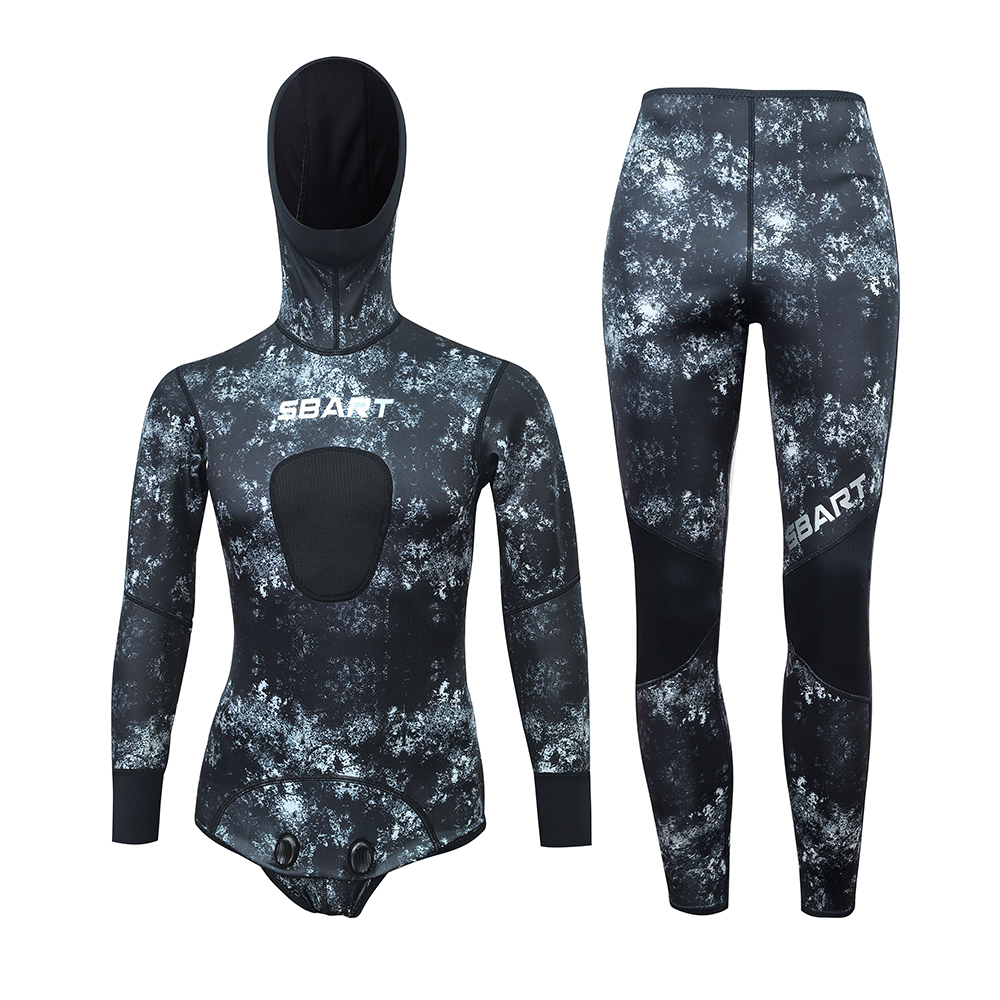
If you have ever worn a wetsuit for the first time, you probably noticed two things:
cold water gets inside — yet somehow, you still stay warm. This is not magic. It is physics.
1. The Role of Neoprene
Most wetsuits are made from neoprene, a special rubber foam filled with thousands of tiny closed air cells. These air cells trap heat and slow down the transfer of cold from the surrounding water to your body.
Neoprene works like a thermal barrier, similar to how insulation works inside a winter jacket.
2. The Thin Layer of Warm Water
A wetsuit is designed to fit snugly. When you enter the water, a small amount of water flows inside and is quickly warmed by your body heat.
Once warmed, this water stays trapped between your skin and the neoprene, forming a micro-climate layer that dramatically reduces heat loss.
If your wetsuit is too loose, cold water will continuously flush through — and you will feel cold very quickly.
3. Thickness Matters More Than You Think
Wetsuit thickness is usually measured in millimeters, such as 2mm, 3mm, or 5mm.
| Thickness | Best For |
|---|---|
| 2mm | Warm tropical waters, swimming, snorkeling |
| 3mm | Spring and autumn diving, surfing |
| 5mm+ | Cold water diving and winter sessions |
The thicker the neoprene, the more heat it traps — but flexibility decreases slightly.
4. Stitching and Seams Also Affect Warmth
Not all seams are equal.
-
Flatlock stitching – more flexible, but allows more water flow
-
Blind stitching & glued seams – better water resistance and warmth
For colder conditions, always choose blind-stitched wetsuits.
5. Why the Right Fit Is Everything
A wetsuit should feel like a second skin — snug but not restrictive.
Gaps around the neck, armpits, or lower back allow cold water to circulate and destroy insulation efficiency.
If you are between two sizes, choose the one that gives you the closest fit without restricting breathing or movement.
Final Thoughts
A wetsuit does not block water — it manages heat.
By combining thermal neoprene, a trapped warm water layer, proper thickness, and tight construction, a quality wetsuit allows you to stay warm, safe, and comfortable in conditions that would otherwise be unbearable.
Choosing the right wetsuit means enjoying the ocean longer — and performing better every time you dive, surf, or swim.