
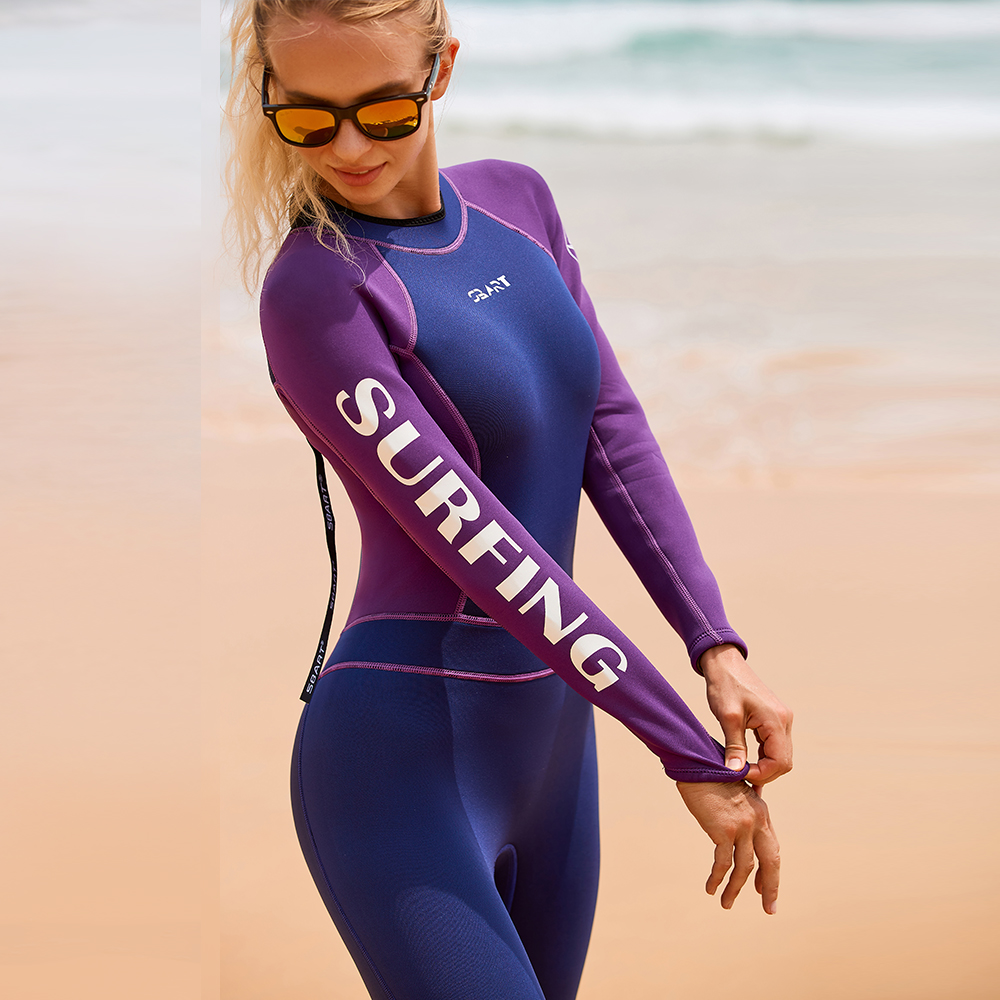
Wetsuits are designed to fit tightly — but tight does not mean uncomfortable. The goal is a second-skin feel that keeps water flow to a minimum without limiting movement.
1. Take the Right Measurements
Use a soft measuring tape and record the following:
-
Chest / Bust
-
Waist
-
Hips
-
Height
-
Weight
Always stand naturally and avoid pulling the tape too tight.
2. Follow the Size Chart — Not Your T-Shirt Size
Each brand has a slightly different size chart.
Never guess your wetsuit size based on regular clothing. Instead, compare your measurements carefully with the chart on the product page.
If you fall between two sizes, choose the larger one for better comfort.
3. How a Wetsuit Should Feel
A properly fitted wetsuit should:
-
Feel snug around the chest, back, and neck
-
Allow full arm rotation without pain
-
Have no large air pockets
-
Sit flat without heavy wrinkles
If you can easily pinch large folds of neoprene, the suit is too big.
4. Common Fit Mistakes to Avoid
-
Choosing oversized wetsuits for “comfort”
-
Ignoring hip or torso length measurements
-
Leaving gaps around the lower back or underarms
These mistakes cause water flushing and rapid heat loss.
5. Special Tips for Women
For women, chest and hip measurements are critical. If your bust and hips are in different size ranges, prioritize hip fit and contact customer support for adjustment advice.
Final Advice
The right wetsuit size can turn cold, exhausting sessions into comfortable and enjoyable experiences.
Spend two minutes measuring your body correctly — it will save you years of discomfort in the water.
A perfect fit is not a luxury. It is performance.