
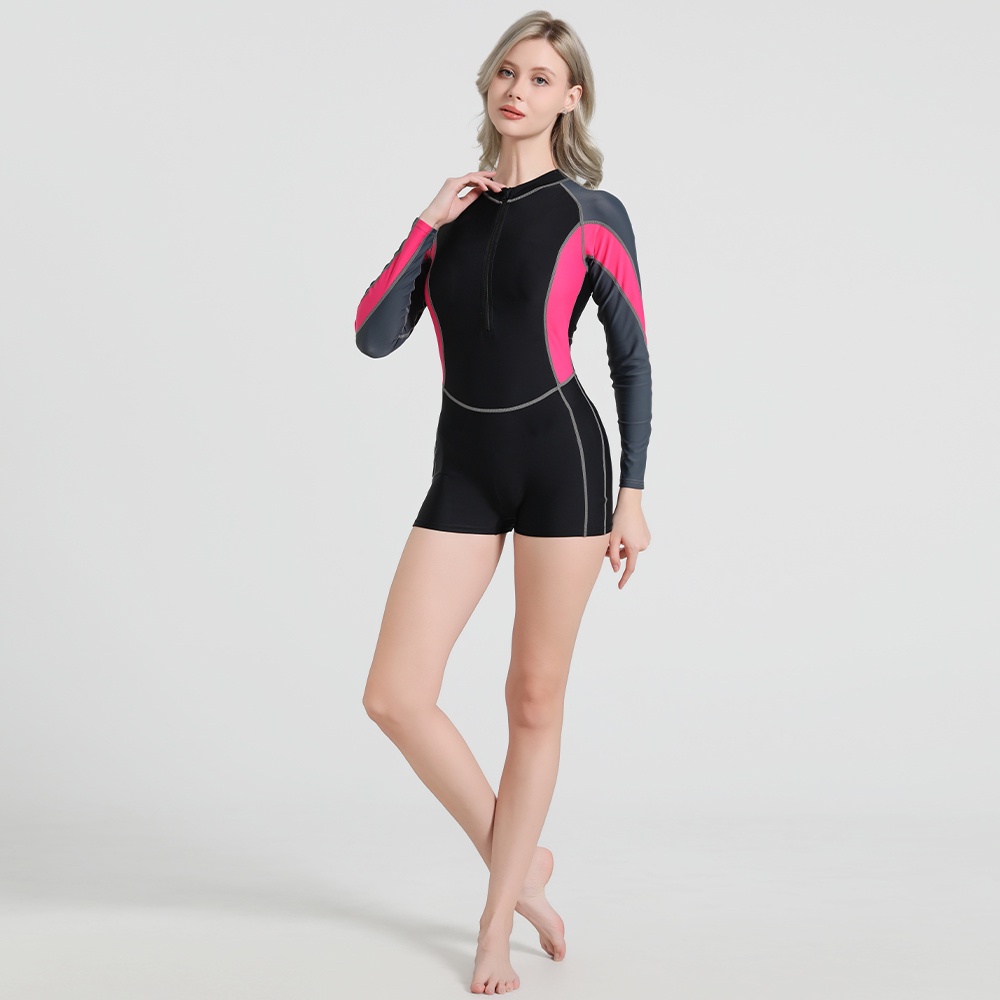
Most problems in swimwear sourcing come down to three things: a spec that wasn't detailed enough, a sample that didn't match production, or a supplier that delivered late. These are fixable problems - but they're much easier to prevent at the sourcing stage than to fix after the first shipment. This guide covers what SBART has learned from working with hundreds of brands entering the swimwear market.
Swimwear Sourcing Mistakes That Cost You Money
Based on SBART's experience with hundreds of swimwear brands and retail buyers, the most common sourcing mistakes fall into predictable patterns:
Mistake 1: Not specifying fabric composition in the tech pack. A generic 'nylon/spandex' spec leaves room for the manufacturer to substitute. Specify the exact ratio (e.g., 80% nylon / 20% spandex) and the target weight (g/sqm). SBART provides standard fabric spec templates that make this simple.
Mistake 2: Not ordering samples in core sizes first. Samples in size S or M don't reveal fit problems that show up in sizes L and up. SBART recommends requesting samples in at least two sizes that represent your expected core customer body type.
Mistake 3: Ignoring lining quality. Lining that wrinkles, bunches, or rides up after the first wash is one of the most common sources of negative reviews. Tankini tops: shelf bra or wire-free support cups are standard. Full coverage bo...
Mistake 4: Not checking dye lot consistency. This is especially critical for two-piece sets. A top and bottom from different dye lots may not match under retail lighting. SBART uses single-dye-lot production for all sets.
Construction Quality: What Separates Mid-Tier from Premium
Mid-tier swimwear usually looks fine on the rack. The differences show up after a few wears - and they have everything to do with construction decisions that aren't visible in product photography.
Elastic quality: Elastic is the most common failure point. Premium swimwear uses woven elastic (wider, more stable when wet) rather than knit elastic. SBART specifies elastic type and width in all product documentation.
Strap attachment: Premium garments use bar-tack reinforcement at strap attachment points. Mid-tier often uses single-pass stitching that can fail under tension. SBART's QC includes bar-tack pull testing on every production run.
Lining quality: The difference between a lining that stays put and one that bunches or rolls is the lining attachment method. Premium construction tacks the lining at side seams and hem; mid-tier often lets the lining float free. Tankini tops: shelf bra or wire-free support cups are standard. Full coverage bottoms: front-lined with cotton crotch pa...
How to Evaluate a Swimwear Manufacturer Before Committing
The decision to partner with a swimwear manufacturer is one of the most consequential a brand or retailer can make. A good partnership compounds in value with every season; a bad one creates problems that extend far beyond the first order.
Evaluating a potential manufacturer:
- Request and review written spec sheets. Vague descriptions ('quality fabric') are a red flag - real manufacturers specify fiber content, weight, and elastic type.
- Ask for defect rate data and QC documentation. If they don't track defects, they can't manage quality.
- Verify sample-to-production consistency. Request photos of previous production runs alongside the approved sample for the same order.
- Ask about dye lot control. Single-dye-lot production for orders under 500 pieces is the standard SBART recommends.
- Check communication responsiveness and technical depth in pre-sale conversations. This is the best predictor of problem resolution capability post-sale.
SBART meets all of these criteria and provides documentation to back them up.
Swimwear Sizing: What Every Buyer Should Know
Sizing inconsistency is the leading cause of swimwear returns across all categories. The problem: even within a single brand, grading consistency between sizes can vary significantly between production runs.
Key sizing rule: Measure-based sizing beats generic S/M/L/XL every time. The most important measurements for swimwear are: bust (plus cup size for one-pieces and tankinis), waist (narrowest point), hip (widest point), and torso length (shoulder to crotch, front - critical for one-pieces).
Tankinis are popular in the over-35 demographic where mix-and-match sizing is valued. SBART recommends selling tops and bottoms separately for better customer fit satisfaction.
SBART recommends: include a measurement-based size chart in your product listings. It directly reduces return rates. Our grading process uses laser-scanned pattern verification across all sizes for consistency.
SBART Custom Swimwear OEM Services
SBART operates dedicated production capacity for the full range of swimwear, including Modest Swimwear styles, Tankini Tops lines, and specialty constructions for performance, plus-size, and children's categories.
Our OEM/ODM service covers: specification development, fabric sourcing from certified mills (Oeko-Tex, GRS), sample production with fit review, bulk manufacturing with inline QC inspection, and final packaging with documentation.
For brands and retailers serving U.S., UK, Australia, Canada markets: SBART has established logistics channels and customs compliance documentation for US, EU, UK, Australian, and Canadian import requirements.
Contact SBART to discuss your swimwear requirements. Tell us about the Swimming Costume or leading Swimsuits specifications you're targeting, or describe your customer demographic - our team will recommend a starting configuration for your production run.
Swimwear Ordering and Manufacturing FAQ
- What dye lot considerations apply to two-piece sets? Dye lot consistency between top and bottom must be verified. SBART uses single-dye-lot production for all two-piece sets - mixing dye lots between components is the most common quality issue in this category.
- What fabric works best for tankini construction? 78-80% nylon, 20-22% spandex. The slightly higher spandex content helps the tankini top maintain shape through repeated wear. Quick-dry lining is a plus for the active-use demographic.
- How should I size tankini tops vs. bottoms? Tankini tops and bottoms can be sold as sets or separately. SBART recommends offering both options - many customers have different sizes for top and bottom, and sizing flexibility drives conversion in this category.
- What is the advantage of tankinis over one-pieces? Tankinis offer the coverage of a one-piece with the bathroom convenience of a two-piece. They're especially popular in the over-35 demographic and for women who need mix-and-match sizing (different top and bottom sizes).